
Never underestimate the power of low-intensity running. A lot of runners struggle to slow down on their easy days, turning what should be recovery or aerobic-focused runs into medium or even hard efforts. It can take time to find the sweet spot, but when you get it right, it’s a beautiful feeling.
Experts at Runner’s World suggest the following tips on how to master your easy pace.
Why does easy running matter?
Easy running can help you avoid injuries by giving your body a chance to recover while still getting time on your feet, helping you to build your aerobic endurance without fatiguing you too much. It also helps to train your body to use more fat for fuel and improves your ability to manage harder efforts when the time comes.
But remember, those hard days only work properly if you are recovered – and you can’t recover if you go hard every day.
What should an easy run feel like?
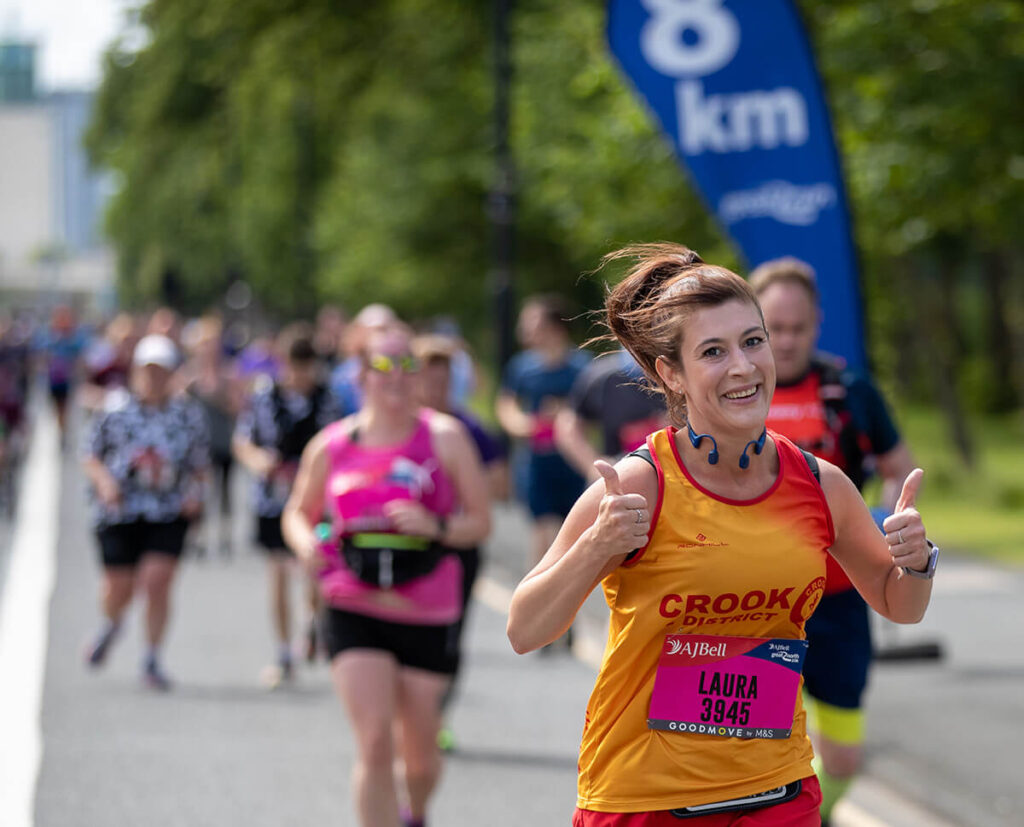
It should feel comfortable, at a relaxed pace which you feel that you could sustain for hours. You should be able to have a conversation without gasping for breath – in fact, you should be able to sing.
An easy run should be done at low intensity, in zone 2, with a perceived effort score of three or four out of 10.
Why runners find it difficult to hold back
Some runners get impatient or find it boring. At times, it can feel like you’re not working. But isn’t that what easy is supposed to feel like? In order to really run easy, you have to slow right down – and depending on your fitness, you may even need to walk to allow your heart rate to return to a place where you aren’t working too hard.
As you get fitter, running faster will feel more comfortable, which means that even if you think that you’re running easy, you might creep towards the tempo zone without realising it.
Tips for keeping easy runs easy
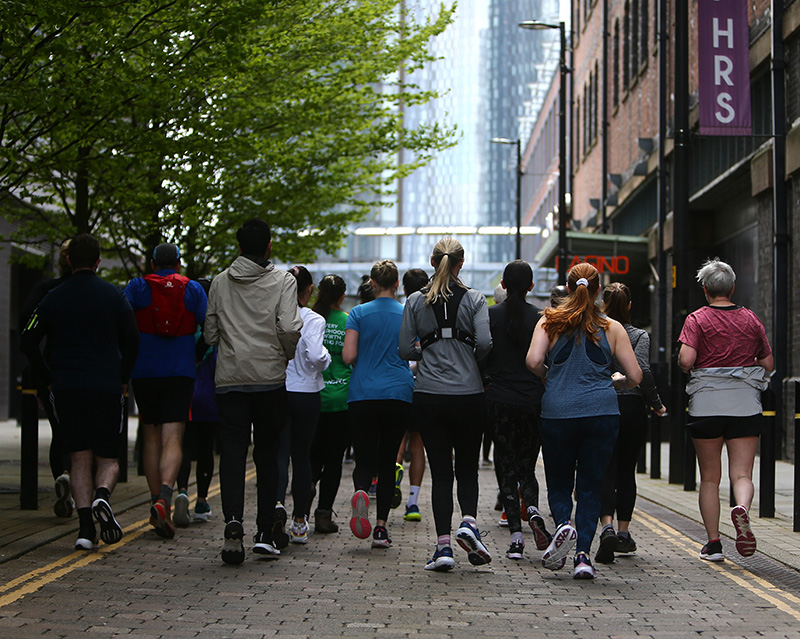
1. Run with someone or a group that’s slower than you.
2. Set alerts on your watch for pace or heart rate zones.
3. Run to music that promotes an easier pace.
4. Have a conversation or even sing! If you can’t do that, you may be going too fast.
5. Take walk breaks or strategic stops at traffic lights and such.
6. Run somewhere pretty and take in the views.
7. Start out slower than you think that you need to.
Original article published by Cory Wharton-Malcolm published on Runner’s World.
For more tips check out our advice on Embracing Easy Runs.